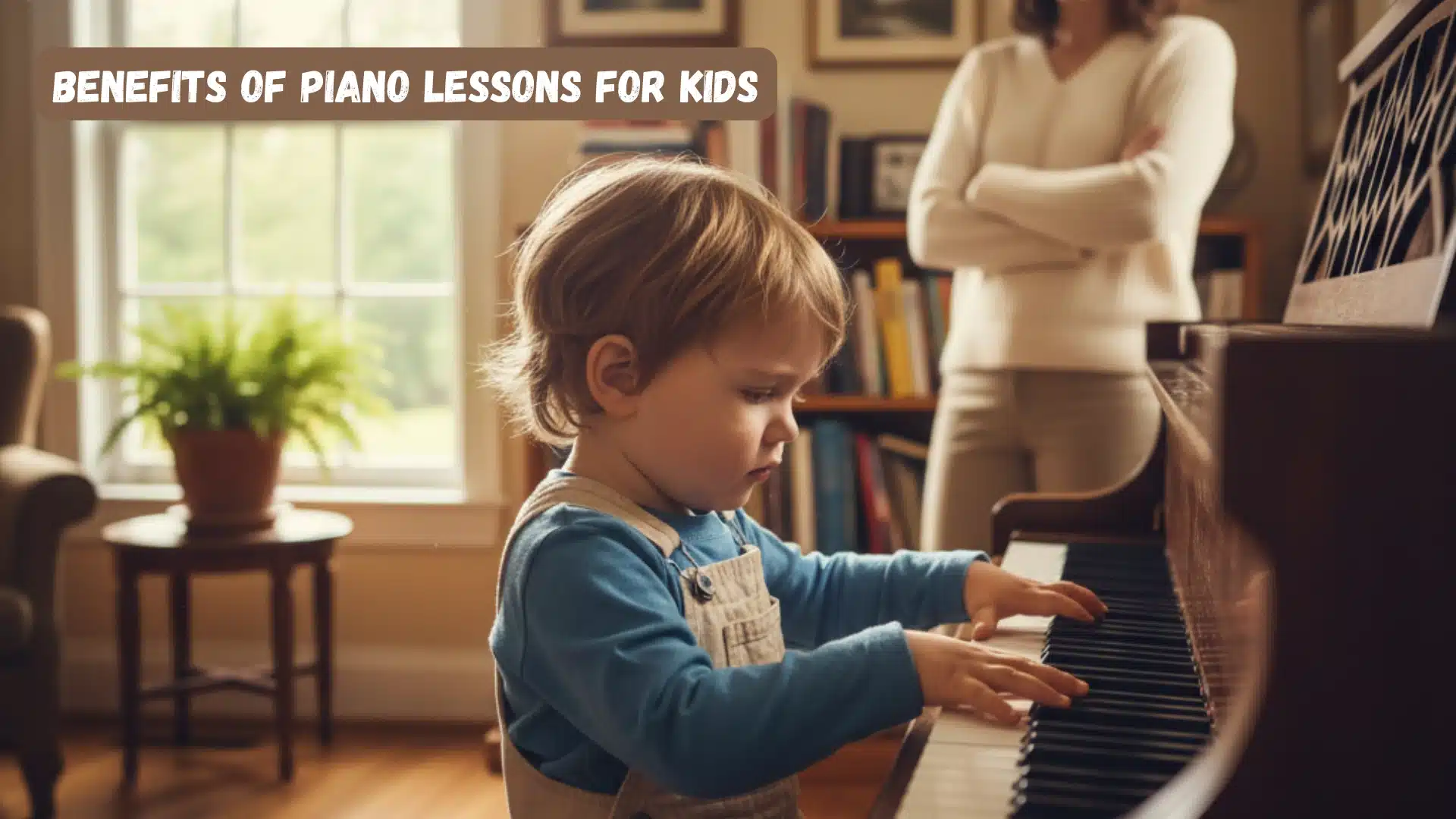
Choosing a first instrument for your child can feel confusing. Parents often wonder if their child is ready or if the piano is really the right choice. Let’s be real. This decision is about more than music. It influences how your child learns, builds confidence, and develops discipline during critical early years. That is why the Benefits of Piano Lessons for Kids matter so much. Piano offers a strong musical foundation and is often a child’s first step into the world of music.
In this guide, we focus on the Benefits of Piano Lessons for Kids in a clear, practical way, showing why piano lessons can be a wise and meaningful choice for your child.
Why Piano Is Often the Best First Instrument for Kids
Piano has earned its reputation as a beginner-friendly instrument for good reason. Unlike many instruments, the piano visually lays music out in front of the student. Notes move from left to right. High sounds go up. Low sounds go down. It simply makes sense.
Kids do not need to fight with embouchure, breath control, or painful finger positions at the beginning. They press a key, and a clear sound comes out. That instant feedback is powerful, especially for young learners.
When parents search for music schools near me, many educators quietly agree on one thing. Piano lays a musical foundation that transfers beautifully to other instruments later.
The Cognitive Benefits of Piano Lessons for Kids
How Piano Strengthens the Brain
One of the most talked-about Benefits of Piano Lessons for Kids is brain development. Piano engages both hemispheres of the brain simultaneously. One hand may play rhythm while the other handles melody. Eyes read notes. Ears listen. Fingers respond.
This kind of multitasking is not accidental. It trains the brain to process information efficiently.
Memory and Concentration Improvements
Kids who take piano lessons often show noticeable improvements in memory. Remembering note patterns, fingerings, and rhythms becomes second nature over time. Concentration improves as well.
Honestly, many parents are surprised to see how piano practice carries over into schoolwork, such as sitting still, finishing tasks and paying attention. These are real-world side effects of consistent music training.
Emotional Growth Through Piano Lessons
Building Confidence One Song at a Time
Confidence does not appear overnight. It grows through small wins. Piano lessons offer those wins regularly.
At first, it is playing a simple melody. Then it is finishing a whole piece. Later, it is performing in front of others. Each step reinforces the idea that effort leads to progress.
This emotional benefit is one of the most overlooked Benefits of Piano Lessons for Kids. Kids learn to trust themselves.
A Safe Outlet for Emotions
Music allows children to express emotions they may not yet have words for. A rough day at school. Excitement. Frustration. Piano gives those feelings somewhere to go.
Many parents notice their child gravitating toward the piano without being asked. That alone says a lot.
Piano Lessons and Academic Performance
One of the most practical Benefits of Piano Lessons for Kids is how clearly they support academic growth. Piano is not just an artistic activity. It quietly trains the brain in ways that show up in the classroom, often before parents even expect it.
The Link Between Music and Math
It is no secret that music and math are closely related, and this connection is one of the most well-documented Benefits of Piano Lessons for Kids. Rhythm involves counting. Time signatures rely on division. Patterns repeat and evolve.
Piano lessons reinforce these mathematical ideas in a hands-on way. Kids work with fractions, sequences, and ratios without sitting at a desk or filling out worksheets. They feel math rather than memorize it. This is why many parents researching the Benefits of Piano Lessons for Kids are surprised to hear teachers talk about better math confidence and problem-solving skills.
Over time, children begin to approach numbers with less fear and more curiosity. That shift alone can be transformative.
Reading Skills and Language Development
Another powerful yet often overlooked benefit of Piano Lessons for Kids is language development. Reading music strengthens pattern recognition, sequencing, and visual tracking. These same skills are essential for reading and comprehension.
When kids learn to read musical notation, they practice moving left to right, recognizing symbols, and understanding structure. These abilities directly support reading fluency and language processing. Many parents notice that their children become more confident readers after consistent piano lessons. It is subtle, but incredibly effective.
Why Piano Encourages Discipline and Responsibility
Among the long-term Benefits of Piano Lessons for Kids, discipline stands out as one of the most valuable. Piano gently introduces responsibility without pressure or punishment.
The Value of Daily Practice
Let’s be real. Most kids do not fall in love with practice on day one. That is normal. But piano lessons teach something far bigger than playing notes. They teach commitment.
Short daily practice sessions build routine and self-management. Over time, kids begin to understand that improvement comes from consistency, not shortcuts. This realization is one of the most meaningful Benefits of Piano Lessons for Kids, because it applies to schoolwork, sports, and life in general.
Parents often say the most significant change they see is not musical. It is an attitude.
Goal Setting and Follow-Through
Piano teachers naturally break progress into achievable goals. Finish this piece. Improve this section. Prepare for this recital.
These small milestones teach kids how to set goals and follow through. One of the quiet Benefits of Piano Lessons for Kids is learning how to stay focused even when something feels challenging. That skill carries far beyond the piano bench.
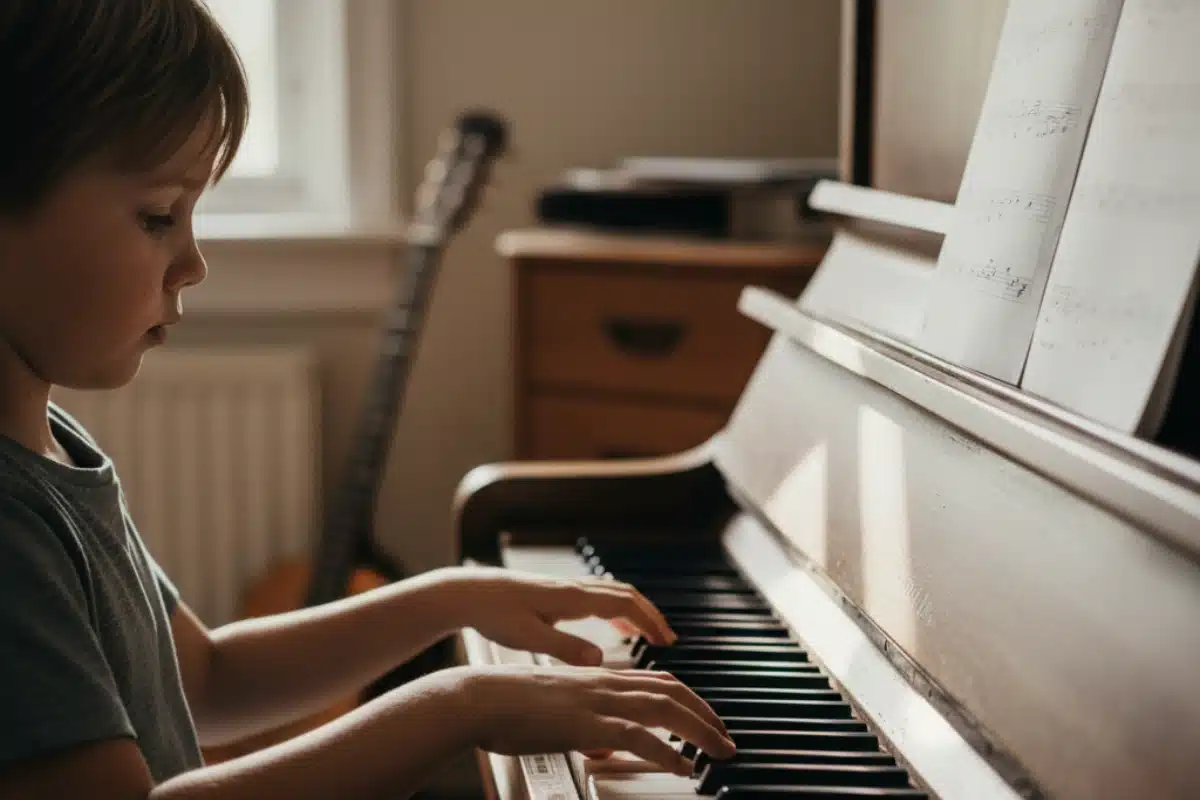
Social Benefits of Piano Lessons
Many parents assume piano is a solitary activity, but the social Benefits of Piano Lessons for Kids often come as a pleasant surprise.
Recitals and Group Classes
While piano practice is usually individual, learning is not isolating. Recitals, group classes, and ensemble opportunities allow kids to share their progress and support one another.
Standing on a stage, even for a short performance, builds courage and self-belief. Sharing music builds connection. These shared moments are an essential part of the Benefits of Piano Lessons for Kids, especially for children who need a confidence boost.
Making Friends Through Music
Many students form lasting friendships at their music school in Burnaby or local studios. Working toward similar goals creates strong bonds quickly.
Parents are often surprised by how social music education becomes. The friendships that grow from piano lessons usually feel deeper because they are built around shared effort and creativity.
Piano as a Gateway to Other Instruments
One of the long-term Benefits of Piano Lessons for Kids is how easily the piano opens doors to other instruments later on.
Understanding Music Theory Early
Piano teaches music theory in a very visual and logical way. Scales, chords, intervals, and harmony are all laid out clearly on the keyboard.
As a result, kids who start piano often understand music more deeply. This foundational knowledge is one of the most practical Benefits of Piano Lessons for Kids, especially if they want to explore other instruments in the future.
Piano vs Guitar for Kids
The discussion around Piano vs Guitar for Kids comes up often. A guitar is an excellent instrument, but it can be physically demanding for young hands. Finger strength, string pressure, and coordination can be frustrating early on.
Piano allows kids to focus on music itself first, not physical limitations. This is why many guitarists who started with piano later say it gave them a decisive advantage. That flexibility is one of the most strategic Benefits of Piano Lessons for Kids.
Why Starting Piano Lessons Early Matters
The Ideal Age to Begin
Most kids can start piano lessons between the ages of four and six, depending on attention span and interest. Starting early does not mean rushing. It means planting seeds.
Even playful lessons build familiarity with music.
Long-Term Skill Development
Kids who start piano early often progress more smoothly. Their fingers develop coordination naturally over time.
This long-term benefit is one of the most substantial Benefits of Piano Lessons for Kids.
Choosing the Right Piano Teacher
Why the Teacher Matters More Than the Instrument
A great piano teacher near me does more than teach notes. They inspire curiosity. They adapt lessons to each child.
The right teacher can turn hesitation into excitement.
What Parents Should Look For
Experience with children. Patience. Clear communication. A balance between structure and fun.
Good teachers understand that every child learns differently.
Why Location and Environment Matter
Learning Close to Home
Parents searching for piano lessons in Burnaby often prefer schools that feel welcoming and safe. A familiar environment helps kids relax and focus.
Being close also makes consistency easier. Missed lessons slow progress.
Community-Based Music Schools
A strong local school builds community. Students feel supported. Parents feel involved.
This is why families often choose established piano lessons programs instead of isolated private tutoring.
How Piano Lessons Support Creativity
Improvisation and Exploration
Once kids understand the basics, the piano becomes a playground. They experiment with sounds. Create melodies. Try new rhythms.
Creativity grows naturally.
Confidence in Self-Expression
Kids who feel heard through music often express themselves more openly in other areas of life.
Creativity does not stay on the keyboard.
Common Myths About Piano Lessons for Kids
“My Child Is Not Musical”
Musical ability is developed, not inherited. Piano lessons nurture it.
“Practice Will Be a Battle”
Some days it is. Most days, it is manageable. The benefits far outweigh the challenges.
How Parents Can Support Piano Learning at Home
Creating a Positive Practice Environment
Encouragement matters more than pressure. Celebrate effort, not perfection.
Staying Involved Without Hovering
Ask your child to play for you. Listen. Show interest. That support makes a difference.
Long-Term Benefits That Extend Into Adulthood
Skills That Never Fade
Even if kids stop lessons later, the foundation stays. Musical understanding lasts.
Confidence and Discipline for Life
These traits carry into careers, relationships, and personal growth.
Conclusion
Why Piano Lessons Are a Gift That Keeps Giving
When you look closely, the Benefits of Piano Lessons for Kids go far beyond music. Piano builds confidence, strengthens the brain, supports academic success, and nurtures emotional growth. It teaches patience, creativity, and responsibility in a way few activities can.
Choosing the piano as a first instrument is not about perfection. It is about giving your child tools they will use for life.
Suppose you are looking for a trusted place to start your child’s musical journey. Explore MusicSchoolCanada.com and discover how our piano programs support confident, happy learners. Visit us on Google Maps, see why families recommend our school, and learn more about enrolling your child in piano lessons today. Your child’s first notes could be the beginning of something truly special.